

Description
Product Description
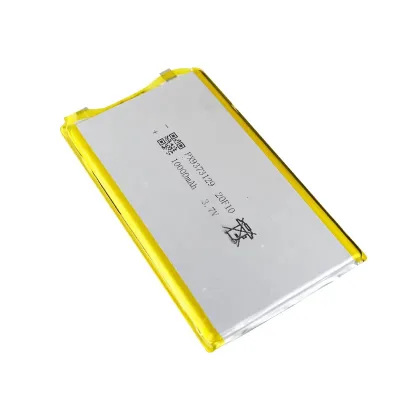
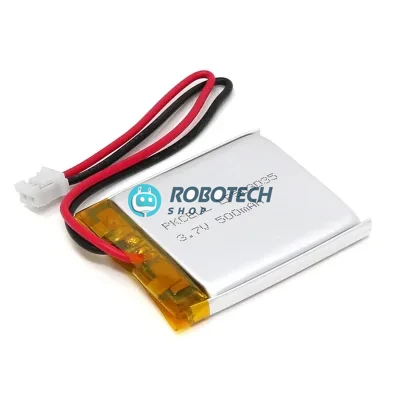
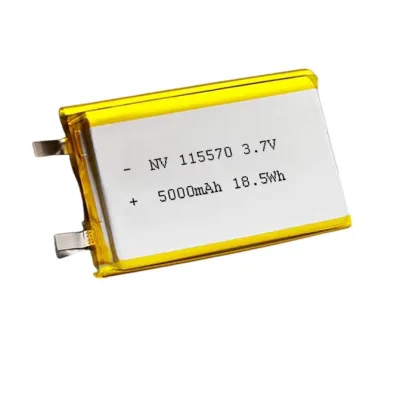
The 3.7 V, 200 mAh LiPo (Lithium Polymer) battery, model 552025, is a slim, lightweight rechargeable cell designed for compact electronic devices where size and efficiency are crucial. With a nominal voltage of 3.7 V and a fully charged voltage of 4.2 V, this battery delivers stable power in a small package.
Ideal applications include:
Wearable devices
Mini drones and micro RC units
IoT sensors and modules
DIY electronics with Arduino, ESP boards, or similar
Small portable gadgets and toys
Its compact form and reliable rechargeable chemistry make it a great choice for engineers, hobbyists, and makers who need consistent energy in a tight space.
Specifications
| Parameter | Value / Range | Notes |
|---|---|---|
| Model / Series | 552025 | “552025” indicates dimensions: ~5.5 × 20 × 25 mm |
| Nominal Voltage | 3.7 V | Standard single-cell LiPo |
| Full Charge Voltage | 4.2 V | Maximum safe charging voltage |
| Safe Discharge Cutoff | ~3.0 V | Prevents deep discharge damage |
| Capacity | 200 mAh | Energy storage rating |
| Connector Type | Bare wire leads | No pre-installed connector |
| Recommended Charge Current | 0.5C – 1C (100–200 mA) | Slower charging extends life |
| Max Discharge Current | ~1C (200 mA, typical) | Suitable for low-power loads |
| Dimensions (approx.) | 5.5 × 20 × 25 mm | Slim, rectangular profile |
| Cycle Life | 300–500 cycles (typical) | With proper handling |
| Operating Temp. | –20 °C to +60 °C | Standard LiPo range |
Key Features
Slim and lightweight — fits easily into compact designs
Rechargeable and reusable — long-term cost savings
Stable 3.7 V output — compatible with many small devices
Bare leads for flexibility — add your own connector if needed
Versatile applications — great for drones, wearables, IoT, and DIY projects
FAQ
Q1: How do I connect this battery to my device?
It comes with bare wire leads, so you can solder directly to your circuit or attach your own connector.
Q2: What type of charger should I use?
Use a LiPo charger designed for single-cell 3.7 V batteries. It must support constant-current/constant-voltage charging and stop at 4.2 V.
Q3: How long will it run my device?
Runtime depends on the current draw. Example: at 50 mA load, expect around 4 hours (200 ÷ 50).
Q4: Can I fully discharge it?
No — avoid discharging below ~3.0 V, as it can damage the battery permanently.
Q5: How many times can I recharge it?
With proper care, expect 300–500 charge cycles.